
AI in 2026: From LeCun’s World Models to the Rise of Autonomous Coding Agents
The landscape of Artificial Intelligence in 2026 has moved far beyond simple chat interfaces. We have officially entered the Agentic Era. This year, the focus has shifted from models that merely predict the next word to systems that understand the physical world and agents that can autonomously build, debug, and deploy complex software.
In this guide, we synthesize the latest breakthroughs—from Yann LeCun’s revolutionary "LeWorldModel" to the top-tier coding agents currently dominating the developer ecosystem.
Part 1: LeCun’s World Model – Common Sense on a Single GPU
For years, Yann LeCun has advocated for "World Models" as the key to reaching human-level AI. In early 2026, the release of LeWorldModel (LeWM) proved that these sophisticated systems don't require massive server farms.
The JEPA Breakthrough
LeWorldModel is based on the Joint-Embedding Predictive Architecture (JEPA). Unlike generative models that try to predict every pixel (which is computationally expensive), LeWM predicts in a "latent space." It focuses on the essence of the scene rather than the noise.

Key Features of LeWM:
- Efficiency: With only 15 million parameters, it can be trained in just a few hours on a single NVIDIA L40S GPU.
- Speed: It can perform complete planning tasks in under one second—48 times faster than previous large-model solutions.
- Physical Intuition: The model inherently understands physics. In experiments, it showed high "surprise" levels when objects violated physical laws (like teleporting), proving it understands the world's structure.
This efficiency makes LeWM a game-changer for robotics and autonomous agents that need to operate in real-time without constant cloud connectivity.
Part 2: The Evolution of AI Coding – From Copilots to Agents
While LeCun's models are mastering the physical world, AI Coding Agents have taken over the digital one. We have transitioned from the "Autocomplete Era" (2021-2022) to the "Autonomous Era" (2026).
Modern agents don't just suggest lines of code; they function as virtual engineers. They can plan multi-step solutions, run terminals, fix their own bugs, and submit Pull Requests while you focus on high-level architecture.

The 2026 Leaderboard: Which Tool Should You Use?
1. The "Flow" Leaders: Cursor & Windsurf
If you want the absolute fastest development cycle, these two are the industry standard.
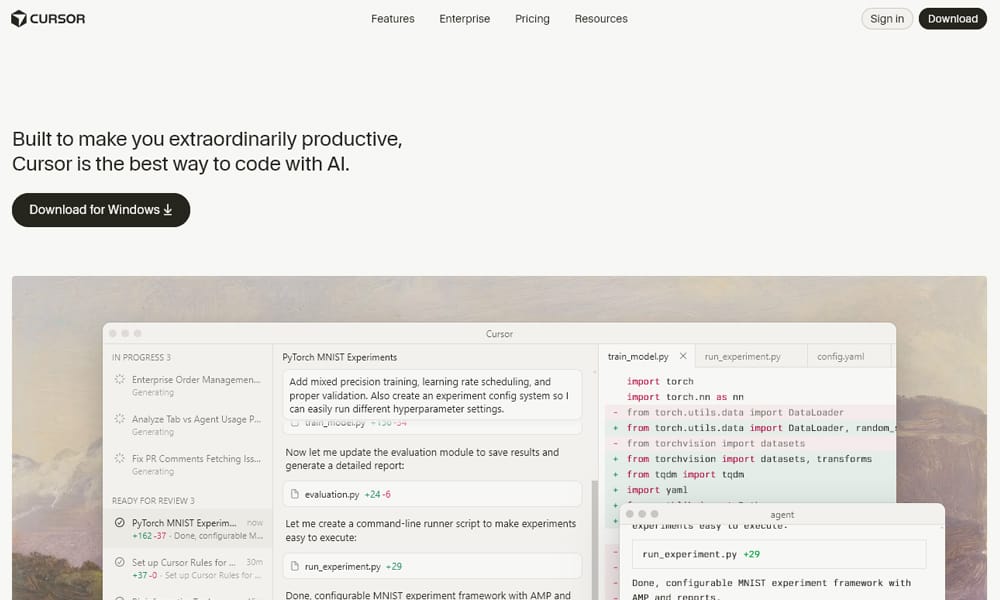
- Cursor: A VS Code fork that feels like the editor is "thinking" with you. Its Composer Mode allows for multi-file editing that makes standard editors feel archaic.
- Windsurf: Built by Codeium, its "Cascade" system understands your intent implicitly by watching your navigation and edits.
2. The Autonomous Intern: Devin AI
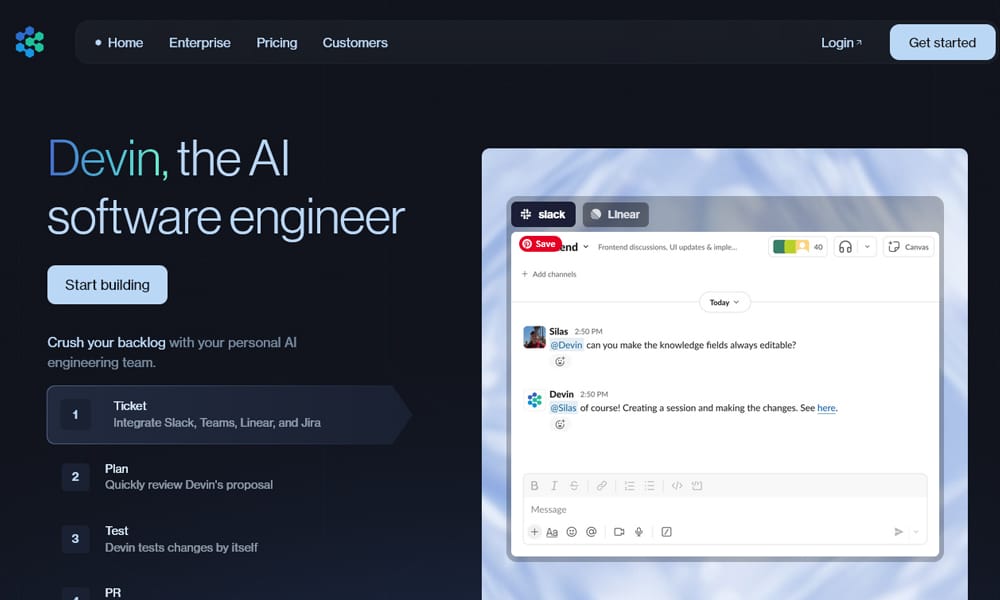
Devin remains the most ambitious agent. It isn't a plugin; it's a hire. It operates in a sandboxed environment with its own browser and terminal. It’s perfect for "grunt work" like library migrations or setting up environments, though it requires careful review for creative tasks.
3. The Power Architect: Claude Code
Anthropic’s Claude Code has become a favorite for backend developers. Running directly in the terminal, it has deep access to the filesystem and is remarkably good at complex refactors and finding the root cause of obscure bugs.
Part 3: Real Productivity – How to 10x Your Output
Testing these agents for 30 days reveals a stark reality: the "10x developer" isn't a myth anymore, but it requires a change in mindset.
Measured Gains in 2026:
- Boilerplate & CRUD: 5-10x faster. Tasks that used to take an afternoon now take minutes.
- Feature Development: 2-4x faster. Implementation is accelerated, but architectural thinking is still human-led.
- Debugging: 3-5x faster. AI agents excel at reading stack traces and checking code systematically without frustration.
Pro Tips for Mastering Your Agent:
- Write Detailed Specs: Vague requests yield generic results. Treat the agent like a junior dev and provide clear constraints.
- Test-Driven Development (TDD): Have the agent write the tests first, then implement the code until the tests pass. This provides a clear "success criterion."
- Review is the New Writing: Your job has shifted from writing code to reviewing code. Don't trust an agent blindly; they can still hallucinate APIs or introduce subtle architectural flaws.

Conclusion: The Era of "Directing" Code
The era of manually typing every line of code is ending. Whether it's LeWorldModel bringing common-sense reasoning to machines or Cursor and Claude Code building our software, the role of the human is shifting.
The most successful developers in 2026 aren't just "coders"—they are Architects and Directors. By mastering these agents, a solo founder can now wield the power of a five-person engineering team. Choose your agent wisely, and start directing the future.